

Travel rarely changes overnight. It shifts quietly, shaped by the world around it and by the intentions travelers carry with them. Over the past year, as global travel steadily found its footing again, these subtle shifts became more visible. UN Tourism reported a 4.6% increase in global tourism in 2025, signaling that international travel has largely regained its pre-pandemic momentum.
Yet as we look ahead to 2026, the evolution of travel feels less about numbers and more about nuance. Journeys are becoming quieter, more intentional, and increasingly shaped by place. Nowhere is this more evident than in the Himalayas, where change arrives slowly through shifting seasons, changing winds, and the way travelers choose to move through the landscape.
At Dharma Adventures, working closely with travelers and communities across Nepal, Bhutan, India, and Tibet, these shifts are not theoretical. They are already influencing how journeys are planned, paced, and experienced on the ground.
Seasonality Designs the Journey
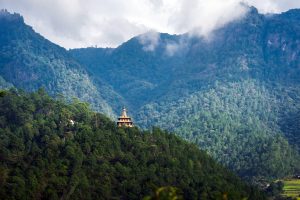
Travel in the Himalayas has always been inseparable from the seasons. What is changing now is that travelers are increasingly planning with the seasons rather than traveling despite them.
Each region offers a distinctly different experience depending on the time of year, and this growing awareness is influencing how itineraries are being designed. Instead of chasing a single “best” window, travelers are choosing moments that align with their pace, interests, and tolerance for crowds.
Spring and fall remain the most favored seasons across Nepal, Bhutan, and Tibet, both offering clear mountain views, stable weather, and ideal conditions for travel. Winter is quietly gaining appeal for its crisp air, dramatic mountain visibility, and comfortably warm days, making it a wonderful time for hiking and trekking under clear skies, especially at lower elevations. Summer, too, is finding its place, offering quieter trails, a slower pace, and more meaningful opportunities to connect with local communities.
Seasonality is no longer a constraint; it has in fact become the architect of travel – an approach that closely mirrors how we design individual journeys at Dharma Adventures.
Slow Travel Becomes the Standard
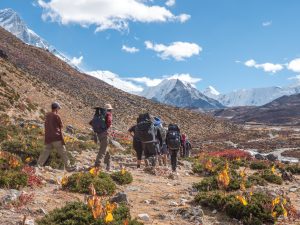
Alongside season-led planning, another quiet shift reshaping how people travel is a growing preference for slower, more considered journeys. In a 2025 survey by the UN Tourism Panel of Experts, visitor congestion, rising travel costs, and low consumer confidence were cited among the key pressures affecting international tourism.
Looking ahead to 2026, tightly packed itineraries are steadily giving way to slower, place-based travel, where time is valued as much as access. The focus is moving away from how much can be seen toward how deeply a place can be experienced. This shift feels particularly natural in the Himalayas, where distance, altitude, and landscape gently set the pace and invite travelers to linger rather than rush.
This is reflected in a growing preference for longer itineraries and thoughtfully connected, multi-destination journeys that are designed not for speed, but for depth and continuity.
Alongside this slower pace, expectations of luxury are also evolving.
Quiet Luxury Over Visible Opulence

In 2025, a clear shift emerged away from overt grandeur toward discretion, privacy, and considered comfort, a trend expected to continue into 2026. Comfort remains essential, but it is expressed through space, silence, and attention to detail rather than display or excess.
In the Himalayan context, luxury is defined by well-located lodges, thoughtfully designed retreats, attentive service, and a genuine sense of privacy and seclusion. These are experiences that feel grounded, unhurried, and deeply connected to the place.
As journeys slow, cultural engagement becomes more intentional, allowing for meaningful exchanges shaped by time, presence, and mutual respect.
Cultural Depth and Context
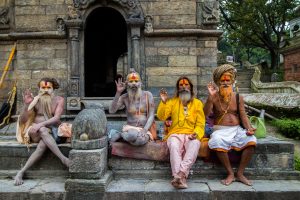
Surface-level encounters are no longer sufficient; travelers are increasingly seeking context. Conversations with monks, artisans, scholars, and local experts are becoming central to the travel experience, offering deeper insight into belief systems, daily life, and regional histories.
When approached with sensitivity and respect, cultural depth is emerging as a defining element of high-quality travel.
This heightened awareness has also led to stronger expectations around sustainability as travelers become more conscious of how their presence affects the people, places, and traditions they engage with.
Sustainability as an Expectation, Not an Add-On
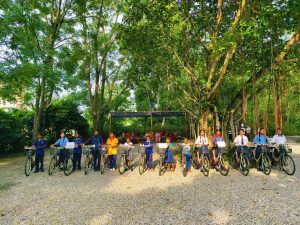
Sustainability is no longer a separate conversation; it is increasingly woven into every aspect of travel, from operational decisions and accommodation choices to the experiences themselves. In the Himalayas, this means limiting environmental impact in sensitive regions and maintaining transparency in how journeys are designed and delivered.
At Dharma Adventures, sustainability is not treated as an add-on, but as a guiding principle that informs how we work with communities, partners, and landscapes across the Himalayas.
Looking ahead to 2026, Himalayan travel continues to favor slower, purposeful journeys shaped by cultural depth and quiet luxury. This evolution brings both opportunity and responsibility; to create experiences that are respectful, enduring, and meaningful long after the mountains fade from view.


