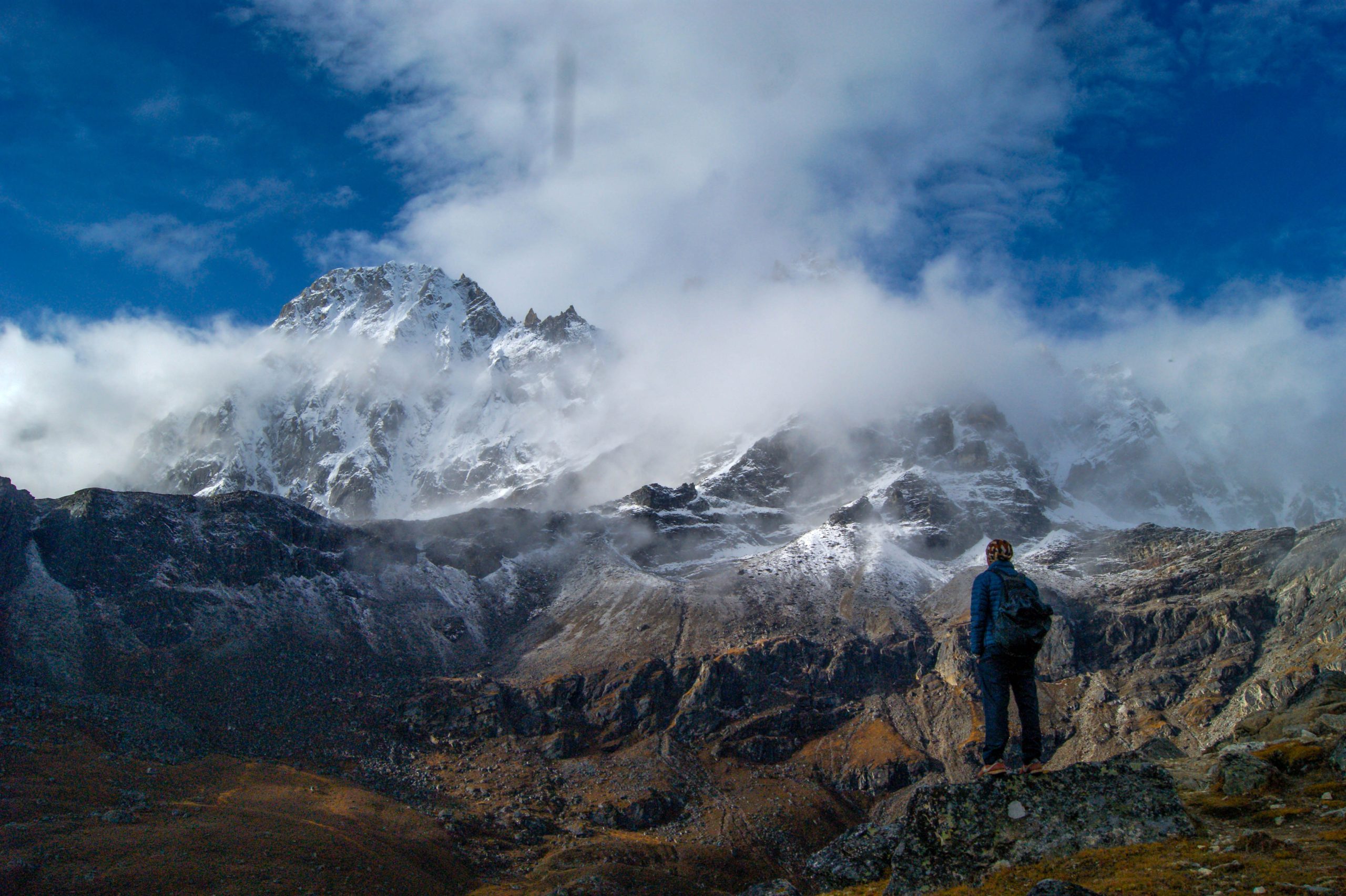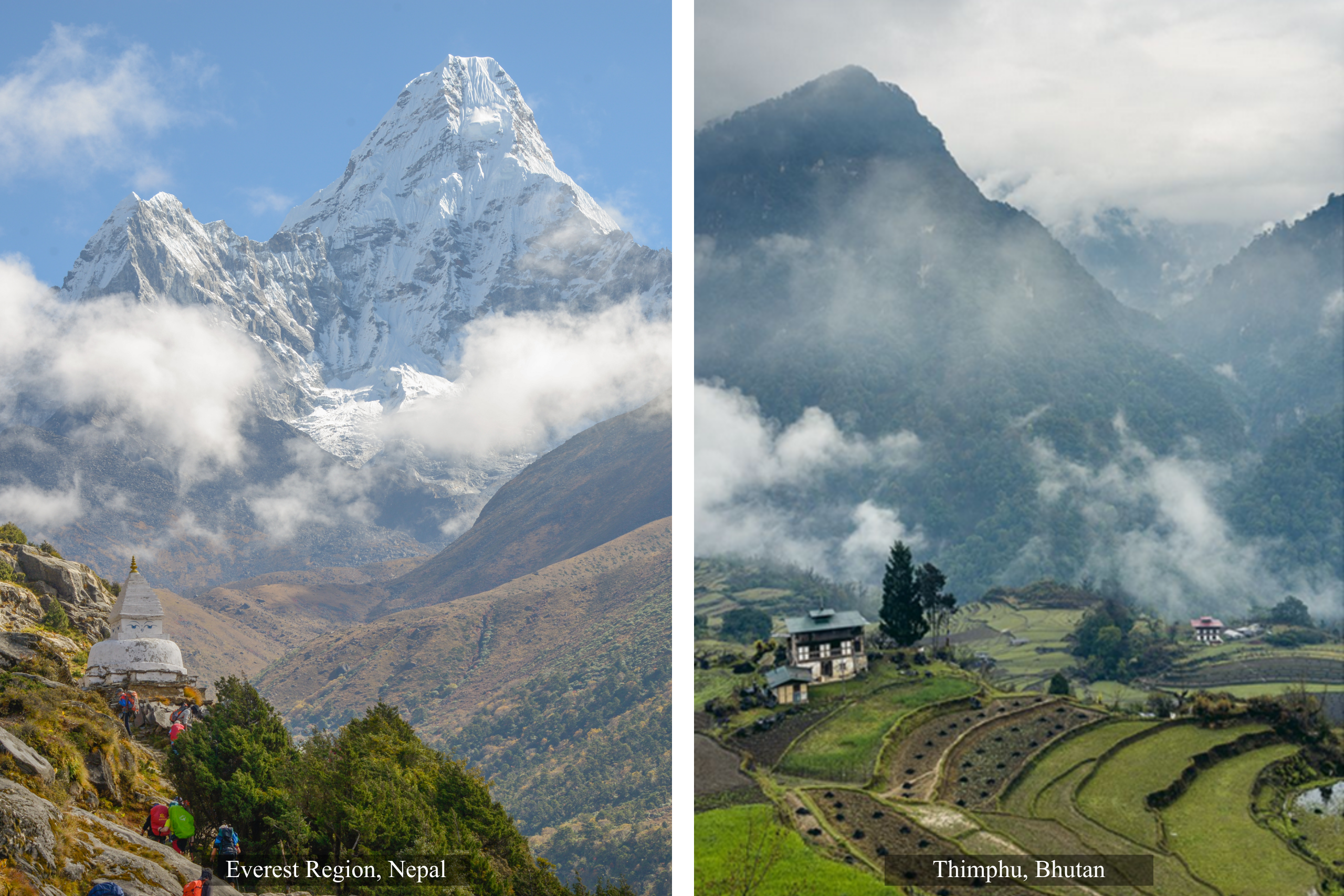
Why Nepal and Bhutan work so well together is simple: they offer contrast without complication. Separated by a short flight, these two countries are close neighbors, yet their experience feels entirely distinct.
Nepal is energetic, layered, and varied. Bhutan is more measured, more reflective, and shaped by a very different philosophy of tourism. Experienced together, they create a journey that feels naturally balanced.
Two Himalayan Countries, Two Distinct Perspective
Chitwan National Park, Nepal(Left) and Khamsum Yulley Namgyal Chorten, Bhutan (Right)
Nepal reveals itself through movement. Landscapes shift from bustling cities and cultural centres to high mountain scenery and wildlife-rich lowlands. There is a constant sense of variety and discovery.
Bhutan feels different from the moment one arrives. Life moves at a gentler pace, traditions remain deeply embedded in everyday life, and the relationship between culture, landscape, and spirituality feels unusually intact.
Neither destination tries to be the other. That is precisely what makes the pairing so effective.
The Value of Contrast
Women in traditional Newari attire (Left) and monks in traditional red attire (Right)
Many memorable journeys are built not around similarity, but contrast.
In Nepal, a single itinerary can encompass mountain vistas, cultural exploration, rural communities, and wilderness. The experience is dynamic and continually evolving.
Bhutan offers something quieter. Forested valleys, traditional villages, winding mountain roads, and centuries-old monasteries create an environment that rewards patience and attention.
The transition between the two is often what travelers remember most. One invites exploration; the other encourages reflection.
A Natural Combination
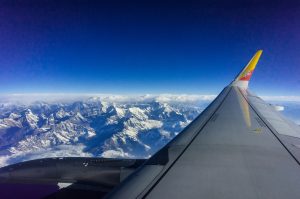
Aerial view from Kathmandu to Paro
Kathmandu remains one of the most practical gateways into Bhutan, making the transition between the two countries remarkably straightforward.
Yet the appeal of combining them is not simply logistical.
Together, they offer a broader perspective on the Himalayas: one open, diverse, and dynamic; the other deliberate, carefully preserved, and deeply rooted in tradition.
A journey of 12 to 14 days allows enough time for those differences to emerge naturally, without rushing from one experience to the next.
Places to Stay, Not Just Places to Visit
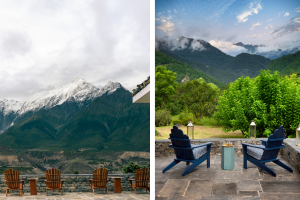
Shinta Mani Mustang (Left) and Punakha River Lodge (Right)
Accommodation across Nepal and Bhutan often reflects the character of the destinations themselves.
From mountain lodges and heritage-inspired retreats to countryside hideaways and wellness sanctuaries, the strongest properties are not defined by luxury alone, but by their connection to place.
In both countries, where one stays becomes part of the experience itself.
A Broader View of the Himalayas
Nepal and Bhutan are often viewed as separate destinations, yet together they reveal different facets of the same mountain world. One is vibrant and expansive. The other is contemplative and restrained.
Perhaps that is why the combination works so well. Not because the countries are similar, but because they are not.