Most travel advice is shared with good intentions. Some of it is practical, some hard – won from experience, and a fair amount of it, we have come to believe, simply doesn’t travel well.
After more than three decades arranging journeys across Nepal, Bhutan, India, and Tibet, we have learned that travel rarely follows universal rules. What works in Kathmandu may make little sense in the Everest region. Advice for Delhi can unravel in Kerala. What feels effortless at low altitude changes entirely on the Tibetan Plateau.
So here are a few pieces of popular travel advice we would gently push back on.
“Cover as Many Places as Possible”
The Himalayan destinations may look manageable on the map, but distances can be very deceptive.
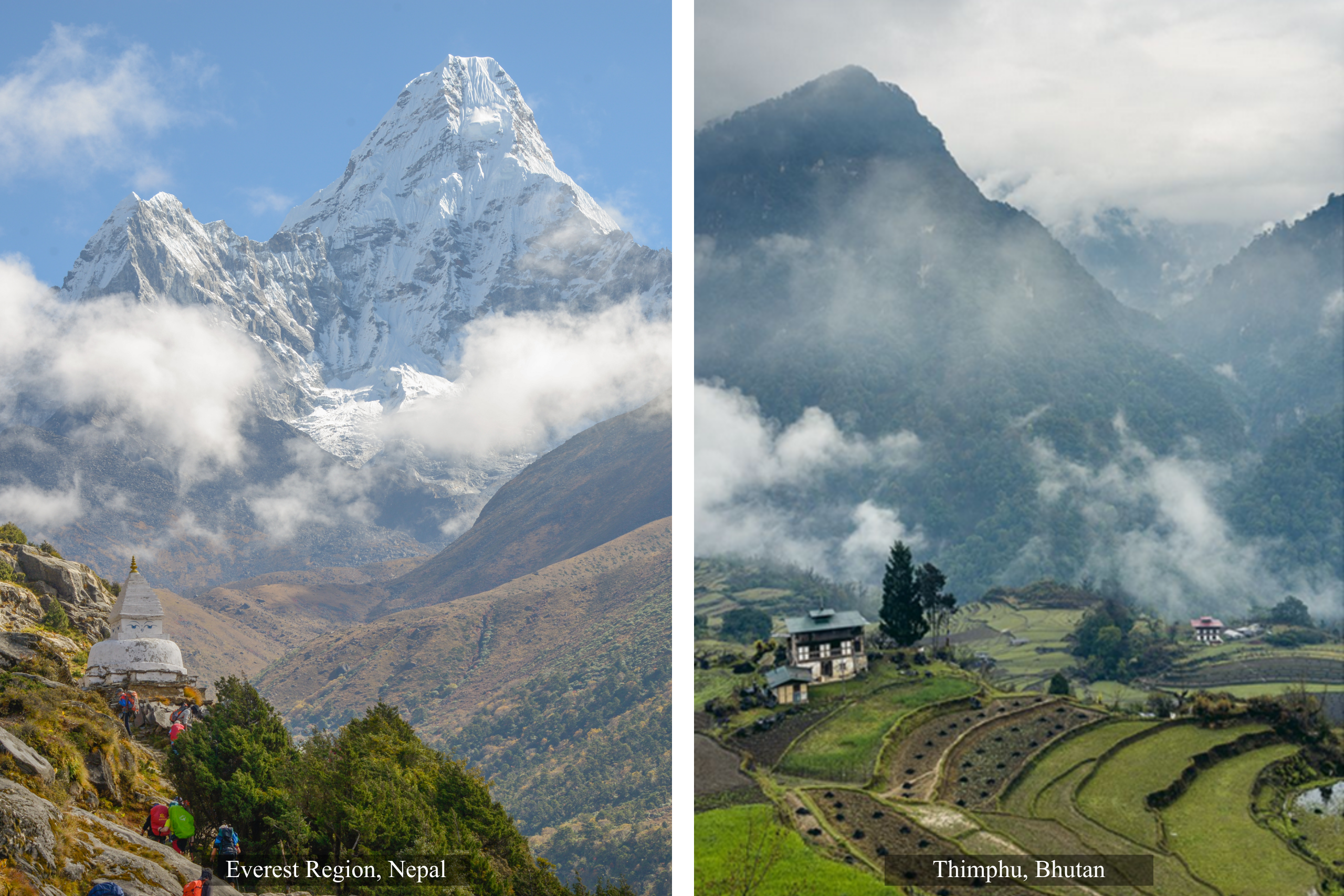
For instance, covering the cities Kathmandu, Pokhara and Chitwan via flights is manageable, but trying to do it in a short period of time and not getting to experience each city is an opportunity cost that is not worth taking. Similarly, moving quickly through Thimphu, Punakha, Gangtey, and Paro may leave little time to appreciate the character of each Bhutanese valley.
Sometimes, seeing fewer places means experiencing much more.
“Stick to the Tourist Highlights”
The famous landmarks are certainly worth visiting but some of the most memorable experiences happen beyond the highlights. A rickshaw ride through Kathmandu’s bustling Asan Bazaar, joining the celebrations at a Tsechu in Bhutan, or simply observing pilgrims circling a monastery in Tibet can offer a glimpse into everyday life and living traditions.
Iconic landmarks show you a destination. Everyday experiences often make it personal.
“You Do Not Need a Guide”
Independent travel can be rewarding, but a good local guide can often reveal what you might otherwise miss.
In Nepal, they can explain how Hindu and Buddhist traditions intertwine. In Bhutan and Tibet, they can bring meaning to religious customs, festivals, monasteries, and local traditions. And in India, where culture, language, cuisine, and history can change dramatically from one region to another, local knowledge can offer a deeper perspective.
A guide does more than show you where to go. A good one helps you understand what you are seeing.
“Eat Where the Locals Eat”
Eating where the locals eat can be a great way to experience a destination, but popularity alone does not make every restaurant suitable for every traveler.
Locals eat everywhere, including places their stomachs have spent a lifetime adjusting to. The real skill is not eating like a local but eating well as a traveler. That means being mindful of spice levels, ingredients, water, and how food is prepared. Dietary restrictions, allergies, and personal tolerance should always be considered.
Trying local food should be part of the experience, but it should never be a test of bravery. When in doubt, local recommendations from people who know the establishments are often the safer bet.
“Travel Advice Applies Everywhere”
Perhaps this is the advice we disagree with the most.
Nepal is not Bhutan. Bhutan is not Tibet. Tibet is not India. Even within each destination, one region can be vastly different from another.
What works in Kathmandu may not work in the Everest region. Advice for Delhi may make little sense in Kerala or Rajasthan. And what feels easy at lower elevations can be very different on the Tibetan Plateau.
Travel advice is a useful starting point, but context is what makes it useful. There is simply no universal rule for travelling well.
The most rewarding journeys are shaped by preparation, local knowledge, curiosity, and respect. This does not mean ignoring familiar travel advice, it means understanding a destination well enough to know when that advice makes sense and when it does not.
That understanding is, in the end, the whole of what we do. Not sending travelers to more places, but to the right ones, at the right pace, with someone beside them who knows why it matters.
So is the travel advice you trust always the best advice to follow? Not necessarily. Sometimes the best advice is simply to recognize that every destination asks something different of us.